Source Eco Friendly Educational Stem Toys for Classroom, Home, and Labs
Source eco friendly educational stem toys from 30 verified listings. Compare models like RFD349336 and WCT-LC003, review certifications such as EN71 and ASTM F963, and evaluate packaging options for bulk procurement; compare the available evidence and request quotations based on your requirements.
Key considerations
Products List


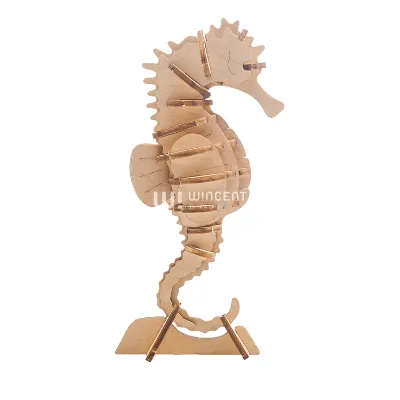


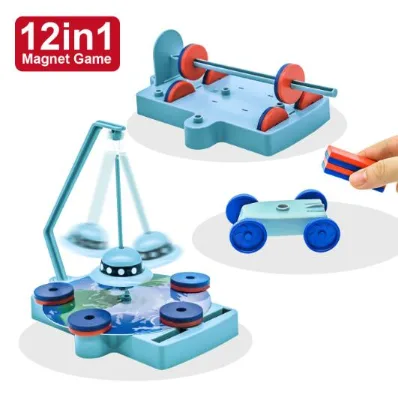


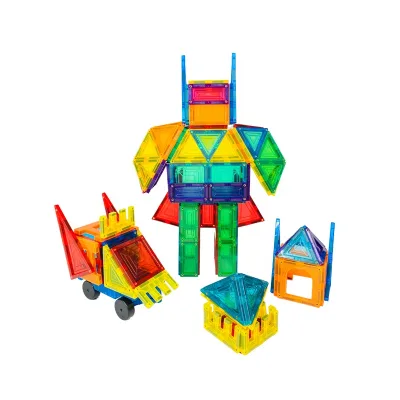


Comprehensive Sourcing Guide
Eco Friendly Educational Stem Toys Sourcing Guide
Procuring eco-friendly educational STEM toys requires a careful balance between pedagogical value, material safety, and sustainable sourcing practices. Buyers must navigate a market where "eco-friendly" is often used as a marketing term without rigorous verification. The core challenge lies in distinguishing between genuinely sustainable products and those merely labeled as such. This guide provides a structured approach to evaluating suppliers, verifying material claims, and ensuring that the toys meet both educational standards and environmental expectations. By focusing on tangible evidence rather than vague promises, procurement teams can mitigate risks associated with greenwashing and ensure that their inventory aligns with modern consumer values and regulatory requirements.
Successful sourcing in this category demands a clear understanding of the specific attributes that define both educational efficacy and environmental responsibility. Buyers should prioritize suppliers who provide transparent documentation regarding material origins, manufacturing processes, and end-of-life considerations. This involves looking beyond surface-level certifications to understand the full lifecycle impact of the products. Additionally, the educational component must be robust, offering genuine learning opportunities in science, technology, engineering, or mathematics. This guide outlines the critical steps for validating these aspects, ensuring that the final products are not only safe and sustainable but also effective tools for child development and learning.
Product Scope and Observed Listing Signals
The current market landscape for educational STEM toys reveals a diverse range of product types, from DIY kits to interactive electronic devices. Observed listings indicate a strong presence of plastic-based toys, often marketed with eco-friendly attributes, alongside paper-based educational materials. For instance, specific models like RFD349336 and RFD270560 are identified as plastic toys, while other items utilize art paper for book covers and educational content. This variety suggests that buyers should not assume a single material type defines the category. Instead, the scope includes both durable plastic components and biodegradable paper elements, each requiring distinct verification protocols to ensure they meet the stated eco-friendly criteria.
Listing signals also highlight significant variations in packaging and origin, which are critical for logistics and sustainability assessments. Products are frequently packed in standard export cartons, with dimensions varying widely from small boxes to large shipping containers. Origins are predominantly noted as China, with specific mentions of Shantou and Guangdong regions. These geographic details are important for supply chain transparency and carbon footprint calculations. Buyers must scrutinize these signals to understand the true environmental impact of transportation and packaging. The presence of customization options further indicates that suppliers are flexible, allowing for tailored solutions that may align better with specific sustainability goals or branding requirements.
Technical Specifications to Verify
Verifying technical specifications is paramount to ensuring that the toys are both durable and safe for their intended age groups. Listings show age ranges spanning from 3-7 years to 8-13 years, indicating a need for age-appropriate design and material strength. For plastic toys, buyers should verify the type of plastic used, looking for terms like "eco-friendly paper and others accessories" which may imply a composite or reduced plastic content. It is crucial to confirm that the plastic is non-toxic and free from harmful chemicals. For paper-based items, the quality of the art paper and the binding method, such as perfect binding, should be assessed for longevity and safety, ensuring that no sharp edges or loose parts pose a choking hazard.
Packaging specifications also play a key role in the overall product assessment. Standard carton sizes are provided, such as 724162cm and 7733.588cm, which help in planning storage and shipping logistics. Buyers should verify if the packaging materials themselves are recyclable or made from recycled content. Additionally, the inclusion of features like music functions in some toys requires verification of electronic components, ensuring they are safe and compliant with relevant standards. The model numbers, such as RFD407391 and WCT-LC003, serve as unique identifiers for these specifications, allowing buyers to track and compare different product iterations. Consistency in these technical details across orders is essential for maintaining quality control.
Compliance and Safety Documentation
Compliance with international safety standards is non-negotiable for educational toys, especially those marketed to children. Listings frequently mention certifications such as EN71, CE, and ASTM F963-96A, which are critical for market access in Europe and the United States. Buyers must verify that these certifications are current and issued by accredited bodies. The presence of ISO9001 and FSC certifications further indicates a commitment to quality management and sustainable forestry practices, respectively. It is important to request copies of these certificates and validate their authenticity with the issuing organizations. This due diligence helps prevent legal liabilities and ensures that the products meet the highest safety benchmarks.
Beyond standard certifications, buyers should inquire about additional testing and quality assurance processes. Some listings mention certifications like Icofi and Aqc, which may indicate specific regional or industry-specific compliance. Understanding the scope of these certifications is vital, as they may cover different aspects of the product lifecycle. For instance, FSC certification specifically relates to the sourcing of paper materials, ensuring they come from responsibly managed forests. Buyers should also verify that the testing covers not just the final product but also the raw materials and manufacturing processes. This comprehensive approach to compliance documentation provides a robust framework for ensuring product safety and environmental integrity.
Cost Drivers and Commercial Terms
Understanding the cost drivers in the eco-friendly STEM toy market is essential for effective budgeting and negotiation. Material costs are a significant factor, with eco-friendly plastics and sustainably sourced paper typically commanding higher prices than conventional alternatives. The complexity of the toy design, including electronic components or intricate mechanical parts, also influences the final cost. Buyers should request detailed cost breakdowns to understand how these factors contribute to the overall price. Additionally, the MOQ (Minimum Order Quantity) varies widely, from as low as 1 piece to 3500 pieces, impacting unit costs and inventory management strategies. Lower MOQs may result in higher per-unit prices but offer greater flexibility for testing new products.
Commercial terms, including payment methods and lead times, are critical components of the procurement process. Listings indicate that suppliers often offer standard exporting cartons or custom packaging as per customer requirements, which can affect shipping costs and handling. Buyers should negotiate clear terms regarding quality assurance, returns, and warranties. It is also important to consider the total cost of ownership, including shipping, duties, and storage. Transparent communication with suppliers regarding these terms helps avoid unexpected expenses and ensures a smooth procurement process. By understanding these cost drivers, buyers can make informed decisions that balance quality, sustainability, and budget constraints.
Supplier Qualification and Quality Control
Supplier qualification is a critical step in ensuring the reliability and consistency of eco-friendly STEM toys. Buyers should conduct thorough due diligence on potential suppliers, verifying their business licenses, production capabilities, and past performance. Visiting manufacturing facilities or requesting virtual tours can provide valuable insights into their quality control processes. It is important to assess their commitment to sustainability, including their waste management practices and energy usage. Suppliers who are transparent about their operations and willing to share detailed information are more likely to be reliable partners. This initial screening helps identify suppliers who align with the buyer's values and quality standards.
Quality control measures should be established early in the procurement process to prevent defects and ensure product consistency. Buyers should implement regular inspections, both during production and before shipment, to verify that the products meet the specified standards. This includes checking for material defects, assembly errors, and packaging integrity. Establishing clear quality benchmarks and communication channels with suppliers is essential for addressing issues promptly. Additionally, buyers should consider third-party inspection services for an unbiased assessment of product quality. By prioritizing supplier qualification and rigorous quality control, buyers can minimize risks and ensure that their inventory meets the highest standards of safety and sustainability.
Long-Term Procurement Checks
Long-term procurement checks are necessary to maintain the integrity and relevance of the eco-friendly STEM toy portfolio. Regular audits of supplier performance and product quality help identify areas for improvement and ensure ongoing compliance with safety and sustainability standards. Buyers should track key performance indicators, such as defect rates, delivery times, and customer feedback, to assess supplier reliability. Additionally, staying updated on changes in regulations and market trends is crucial for adapting procurement strategies. This proactive approach allows buyers to anticipate potential issues and make informed decisions about product sourcing and development. Continuous monitoring ensures that the procurement process remains efficient and effective.
Sustainability is an evolving field, and buyers must remain vigilant in verifying the eco-friendly claims of their products. This includes regularly reviewing material sourcing practices and encouraging suppliers to adopt more sustainable methods. Buyers should also engage with customers to gather feedback on product performance and environmental impact, using this information to refine procurement criteria. By fostering a culture of continuous improvement and transparency, buyers can build a resilient supply chain that supports both business goals and environmental stewardship. Long-term checks ensure that the procurement strategy remains aligned with the company's values and market expectations, securing a competitive advantage in the growing eco-friendly toy market.
FAQs
What certifications do these educational toys have?
These toys hold EN71, CE, and ASTM F963-96A certifications. Some listings also include ISO9001 and FSC marks. These standards ensure safety for children aged 3 to 13 years. Buyers should verify specific model requirements for international compliance before placing bulk orders.
Can I customize the packaging for these items?
Yes, customization is available for packaging. Options include standard export cartons or custom requests. Some models use specific carton sizes like 72x41x62cm. Buyers can request tailored packing solutions to meet their logistical needs while maintaining product protection during transit.
What is the minimum order quantity for these toys?
The minimum order quantity varies by product. Some items require 1000 pieces, while others allow as few as one unit. The observed range spans from 1 to 3500 units. Buyers should check specific model details to determine the applicable MOQ for their purchase.
Where are these educational toys manufactured?
These toys originate from China, specifically Shantou and Guangdong regions. Manufacturers offer various materials including plastic and paper. Buyers can source products with different specifications and certifications directly from these established manufacturing hubs in China.
What materials are used in these educational toys?
Materials include plastic, paper, and eco-friendly accessories. Some products use art paper with perfect binding for book types. Others feature plastic components designed for durability. Buyers can select items based on material preferences and specific educational requirements for their target audience.